


Induction Heating Machine Manufacturers Driving Modern Industrial Innovation
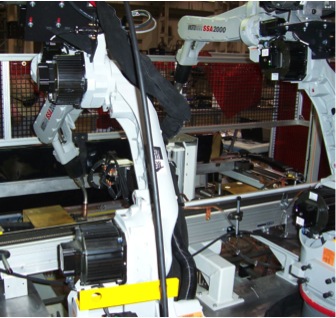
Modern manufacturing industries require advanced technologies that deliver precision efficiency and reliability. One of the most important technologies used in metal processing and industrial production is induction heating. Companies that specialize as induction heating machine manufacturers play a vital role in providing equipment that improves productivity while maintaining consistent quality. These machines are widely used across automotive aerospace energy and heavy manufacturing sectors where accurate heating and controlled processes are critical.
Industrial production has evolved significantly over the past few decades. Manufacturers now rely on sophisticated equipment that can perform complex operations with minimal waste and high repeatability. This is where experienced induction heating machine manufacturers contribute by developing systems that meet demanding industrial standards. Their solutions are designed to support modern production environments where automation durability and efficiency are essential.
Understanding Induction Heating Technology
Induction heating is a process that uses electromagnetic energy to heat conductive materials without direct contact. This method is widely preferred in manufacturing because it provides rapid heating precise temperature control and high energy efficiency. Unlike traditional heating methods induction heating focuses energy directly into the material which reduces heat loss and improves overall process performance.
Industries choose induction heating systems because they offer consistent results and can be integrated into automated manufacturing lines. The technology is commonly used for applications such as metal hardening brazing annealing and forging. These processes require uniform heating and reliable performance which makes induction systems a preferred solution in advanced manufacturing environments.
Induction heating machine manufacturers design equipment that can handle a wide range of materials and production requirements. Their machines are engineered to deliver stable performance even under demanding industrial conditions. As manufacturing industries continue to grow the demand for reliable induction heating systems continues to increase.
Role of Induction Heating in Industrial Production
Induction heating has become a core technology in modern industrial production. Manufacturers rely on it to improve efficiency while maintaining strict quality standards. The ability to heat metals quickly and accurately allows industries to reduce production time and energy consumption.
Automotive manufacturers use induction heating for component hardening and assembly processes. Aerospace companies depend on precise heating systems for high performance materials that require controlled thermal treatment. Heavy machinery manufacturers also rely on induction heating to process large metal components used in construction and infrastructure equipment.
Induction heating machine manufacturers work closely with industries to design systems that match specific production needs. Their engineering expertise ensures that the equipment delivers consistent performance while meeting safety and operational requirements.
Connection Between Induction Heating and Friction Welding
In modern manufacturing different metal joining and heating technologies often work together to achieve optimal results. Friction welding is another important industrial process that complements induction heating in many applications. Companies recognized as friction welding machine manufacturers develop advanced equipment that joins metals through rotational friction and pressure.
Friction welding is widely used because it creates strong reliable joints without the need for additional filler materials. The process produces high strength bonds that are suitable for demanding industrial environments. Automotive components drive shafts and aerospace parts are often produced using friction welding technology.
When combined with induction heating systems friction welding processes can become even more efficient. Preheating components before welding can improve material flow and enhance the overall strength of the final joint. This combination demonstrates how different manufacturing technologies work together to support modern production requirements.
Importance of Experienced Manufacturers
Choosing the right equipment manufacturer is essential for industries that rely on advanced metal processing technologies. Established induction heating machine manufacturers provide more than just machinery. They offer engineering expertise custom solutions and long term technical support that helps companies maintain efficient operations.
Experienced manufacturers understand the challenges faced by modern production facilities. They design equipment that meets high performance standards while remaining easy to maintain and operate. Their systems are built to deliver consistent results even during continuous production cycles.
Similarly reputable friction welding machine manufacturers focus on developing durable machines that provide reliable performance in demanding environments. Their technology supports industries that require strong precise metal joints for critical applications.
The combination of advanced engineering knowledge and practical manufacturing experience allows these companies to deliver solutions that support long term industrial growth.
Benefits of Advanced Industrial Welding and Heating Technologies
Modern manufacturing companies adopt technologies such as induction heating and friction welding because they offer significant operational advantages. These technologies improve productivity while ensuring product quality and structural integrity.
One of the most important benefits is energy efficiency. Induction heating focuses energy directly on the material which reduces unnecessary heat loss. This leads to lower operating costs and improved sustainability in industrial processes.
Precision is another key advantage. Manufacturers can control heating levels and welding parameters with high accuracy. This level of control ensures consistent product quality across large production volumes.
Durability is also a major factor. Equipment produced by experienced induction heating machine manufacturers and friction welding machine manufacturers is designed for long term industrial use. These machines operate under challenging conditions while maintaining stable performance.
Automation compatibility is another benefit that supports modern production. Many induction heating and friction welding systems can be integrated with automated manufacturing lines. This integration improves production speed and reduces the risk of human error.
Industrial Applications Across Multiple Sectors
The versatility of induction heating and friction welding technologies allows them to serve a wide range of industries. Automotive manufacturers use these systems to produce engine components transmission parts and structural assemblies. The precision and reliability of these technologies ensure that critical components meet strict safety standards.
In aerospace manufacturing advanced metal processing techniques are essential for producing lightweight yet strong components. Induction heating systems help prepare materials for shaping and joining while friction welding creates durable bonds between high performance metals.
Energy and power industries also benefit from these technologies. Components used in turbines generators and power transmission equipment often require specialized heating and welding processes. Reliable machines developed by skilled manufacturers ensure that these components perform effectively in demanding environments.
Heavy equipment manufacturing is another sector that relies heavily on advanced welding and heating technologies. Construction mining and infrastructure machinery require durable components capable of withstanding extreme stress. Induction heating and friction welding play an important role in producing these high strength parts.
Innovation and Future Manufacturing Trends
The future of industrial manufacturing continues to move toward greater efficiency automation and technological integration. Induction heating machine manufacturers are constantly improving their equipment to meet these evolving industry demands. New systems are designed to provide better energy management faster heating cycles and enhanced process control.
Digital monitoring and advanced control systems are also becoming more common in modern industrial equipment. These technologies allow manufacturers to track performance data optimize production processes and reduce downtime.
At the same time friction welding machine manufacturers are developing machines that offer greater precision improved speed and compatibility with automated production environments. The combination of advanced heating and welding technologies will continue to support innovation across multiple industries.
As global manufacturing expands the need for reliable industrial equipment will continue to grow. Companies that invest in advanced metal processing technologies will gain a competitive advantage through improved productivity product quality and operational efficiency.
Conclusion
Modern industrial production depends heavily on advanced technologies that provide precision efficiency and reliability. Induction heating has become one of the most important processes used in metal treatment and manufacturing. Skilled induction heating machine manufacturers design systems that help industries achieve consistent high quality results while improving productivity.
At the same time friction welding machine manufacturers provide powerful solutions for creating strong durable metal joints without additional materials. The combination of these technologies supports a wide range of industrial applications from automotive production to aerospace engineering and heavy equipment manufacturing.
As industries continue to evolve the role of advanced heating and welding technologies will become even more important. Manufacturers that focus on innovation engineering excellence and reliable equipment will continue to drive progress in modern industrial manufacturing.