


For today's conscious consumer, every product tells a story, and the most compelling narratives are those rooted in authenticity and respect for the planet. Sustainable brands, in particular, understand that their commitment to the environment must be evident in every aspect of their business, from their supply chain to the merchandise they choose to represent them. This is where eco-friendly custom socks enter the picture. They are far more than a simple promotional item; they are a tangible extension of a brand's core values. By choosing custom socks made from sustainable materials and ethical processes, a brand can literally wrap its identity in a message of environmental stewardship, creating a powerful and wearable statement that resonates deeply with eco-aware customers and employees alike.
Defining the Eco-Friendly Sock: Materials That Matter
The journey to a truly sustainable sock begins with the raw materials. For brands committed to green practices, understanding the options beyond conventional cotton is essential. Organic cotton, certified by standards like the Global Organic Textile Standard (GOTS), is grown without harmful pesticides or synthetic fertilizers, protecting both the soil and the farmers . Then there are innovative recycled fibers; some manufacturers are creating socks from recycled polyester derived from PET bottles or even from reclaimed cotton collected as offcuts from textile production . This circular approach gives a second life to materials that would otherwise become waste. Bamboo also remains a popular choice due to its rapid renewability and minimal need for irrigation, though responsible brands often seek out manufacturers who use closed-loop processing to ensure the production method is as clean as the plant itself .
Beyond the Fiber: Certifications as Your Compass
In a marketplace where "greenwashing" is a genuine concern, third-party certifications serve as a reliable compass for brands seeking authenticity. These independent verifications cut through marketing hype and provide concrete proof of a product's environmental and ethical claims. When sourcing custom socks, looking for labels like GOTS ensures the entire textile supply chain, from harvesting to manufacturing, meets rigorous organic and social criteria . The OEKO-TEX Standard 100 certification is another critical marker, guaranteeing that every component of the sock, including threads and dyes, has been tested for harmful substances and is safe for human skin . For brands focusing on recycled content, the Global Recycled Standard (GRS) verifies the presence and traceability of recycled materials throughout the production process . These certifications are not just logos; they are a trusted shorthand for a brand's genuine commitment.
Manufacturing with a Conscience: The Ethics of Production
The story of an eco-friendly sock is not complete without considering the hands and facilities that bring it to life. Sustainable brands are increasingly seeking manufacturing partners who share their values, prioritizing ethical labor practices and minimizing industrial impact. This means looking for factories that hold certifications like BSCI or SMETA, which audit for fair wages, safe working conditions, and reasonable working hours . On the environmental front, leading manufacturers are adopting innovative models, such as Zero Waste Factory concepts, and powering their operations with renewable energy sources like solar panels and air source heat pumps . Some are even investing in on-site water recycling systems to drastically reduce the footprint of the dyeing and finishing process. For a sustainable brand, partnering with such a manufacturer ensures that the product's origin story is as clean as its material list.
The Art of Customization on a Green Canvas
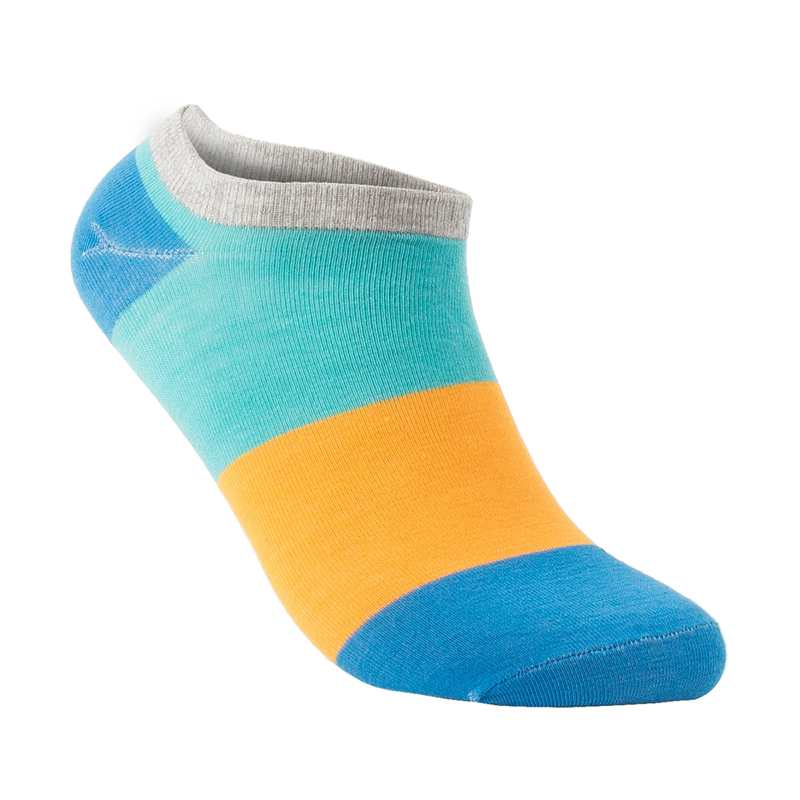
Creating a custom sock for a sustainable brand involves design choices that align with eco-friendly values without compromising on visual impact. Modern customization techniques have evolved to allow for vibrant, detailed branding that can be integrated responsibly. Knitted-in designs, created using jacquard or intarsia techniques, are a durable and waste-conscious option, as the pattern becomes part of the sock's structure . For full-color designs, some suppliers use water-based or eco-friendly custom socks dyes that are free from heavy metals and toxic chemicals. Even the smallest details can reflect a green ethos, such as choosing to have the logo embroidered with recycled thread or opting for a woven label made from organic cotton. The goal is to create a beautiful, branded product where the customization method itself does not undermine the sustainability of the sock.
Circular Economy and End-of-Life Responsibility
A truly forward-thinking sustainable brand considers the entire lifecycle of its promotional products, including what happens when they are finally worn out. This is where the principles of the circular economy come into play. Some innovative sock manufacturers are now designing products specifically for circularity, using mono-materials or easily separable blends that can be more readily recycled at the end of their life . Brands can also take responsibility by educating their customers on how to properly care for their socks to extend their lifespan, as simple actions like washing at lower temperatures save energy and preserve fabric integrity . A few pioneering companies even offer recycling programs, taking back old socks from any brand to be broken down and reformed into new textile fibers, closing the loop and keeping materials out of landfills.
Packaging: The First Impression That Lasts
For a custom sock delivered as a gift or sold as a product, the packaging is the very first physical interaction a customer has with the brand. An eco-friendly sock deserves packaging that makes a similarly positive green impression. Sustainable brands are moving away from virgin plastic polybags and opting for compostable mailers, recycled cardboard boxes, or simple cotton bags . Even seemingly minor changes, like replacing plastic hooks on labels with paper alternatives, collectively represent a significant reduction in waste . Some custom sock manufacturers now offer the option to package orders in FSC-certified cardboard boxes printed with soy-based inks, allowing for a fully sustainable unboxing experience. This attention to detail reinforces the brand's holistic commitment to the environment, ensuring that the message of sustainability is communicated from the outside in.
Showcasing Brand Values with Every Step
Ultimately, eco-friendly custom socks offer sustainable brands a unique and powerful opportunity for authentic engagement. They are a wearable billboard for a company's deepest principles. When a brand gives a customer or employee a pair of socks made from organic cotton or recycled fibers, certified by trusted bodies, and produced in an ethical factory, they are giving a story they can be proud of. Every time those socks are worn, the brand's commitment to the planet is subtly but effectively communicated. In a world hungry for genuine connection and corporate responsibility, this simple item of clothing becomes a conversation starter and a symbol of shared values. It is a step, quite literally, towards a future where fashion, branding, and sustainability are not separate concepts, but one and the same.