

How Vapor Barriers Help Home’s Insulation in 2026

Vapor barriers help home’s insulation in 2026 by controlling moisture movement before it affects comfort, indoor air quality, and insulation performance. As homes become tighter and more energy-focused, managing moisture has become just as important as managing temperature. Vapor barriers act as a control layer that limits unwanted moisture flow into walls, attics, and crawl spaces, helping insulation work as intended for longer periods.
This article explains how vapor barriers support spray foam insulation performance, what has changed in recent building practices, and what homeowners should consider before adding or upgrading them. The guidance reflects current residential building conditions and insulation practices used in varied climates across the United States.
Why Vapor Barriers Matter More for Insulation Today
Vapor barriers are no longer viewed as optional layers. In modern homes, they help insulation stay dry, stable, and effective under changing climate conditions. Higher indoor humidity levels and tighter building envelopes make moisture control a core insulation concern.
In 2026, insulation systems are designed to manage air, heat, and moisture together. Vapor barriers support that balance by reducing the risk of trapped moisture that can reduce insulation performance over time.
Moisture Movement and Insulation Performance
Moisture travels through homes in the form of vapor long before it becomes visible. When vapor reaches cooler surfaces inside walls or ceilings, it can condense and affect insulation materials.
A properly placed vapor barrier helps by:
- Slowing moisture movement into insulated cavities
- Reducing condensation risk during seasonal temperature changes
- Supporting consistent thermal performance
Changes in Home Construction Practices
Market data shows that newer homes experience higher indoor humidity due to tighter construction and reduced air leakage. This makes vapor control layers more relevant than in older, draftier homes.
How Vapor Barriers Support Different Insulation Types
Vapor barriers work differently depending on the insulation system used. Understanding how they interact helps homeowners avoid common moisture problems.
This section explains how vapor barriers align with widely used insulation approaches in residential buildings.
Vapor Barriers With Spray Foam Insulation
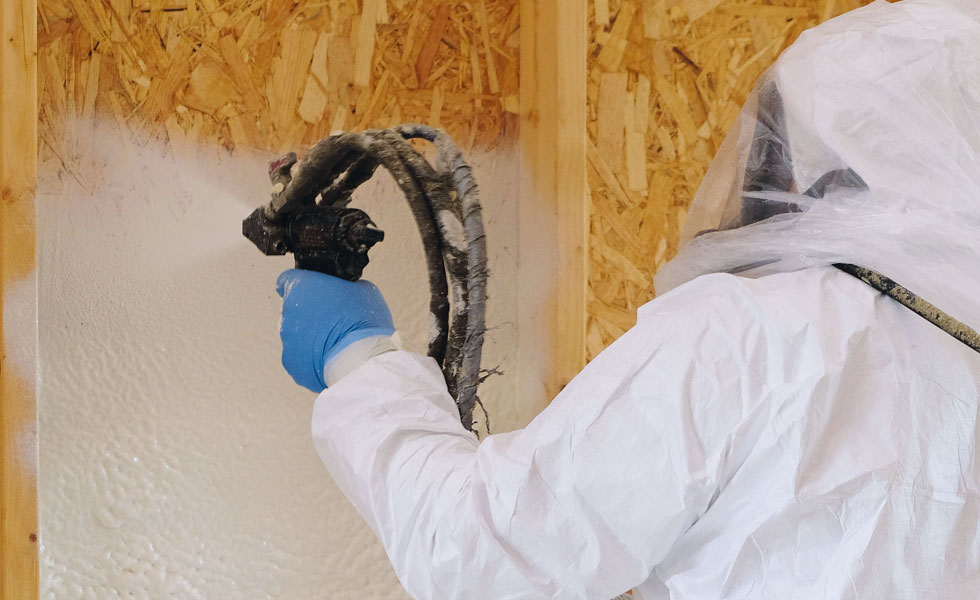
Spray foam insulation already provides air sealing, but vapor control still matters in certain assemblies. Closed cell spray foam often serves as both insulation and vapor control, while open cell systems may require a separate barrier depending on location.
Wall and Ceiling Applications
In wall assemblies, vapor barriers help limit indoor moisture from reaching colder exterior layers. In ceilings, they support attic insulation by controlling moisture from living spaces below.
Vapor Barriers With Fibrous Insulation
Fiberglass and cellulose insulation rely more heavily on vapor barriers. These materials allow air movement if not paired with proper moisture control layers.

Climate-Based Placement
Cold climates often place vapor barriers on the warm side of insulation. Mixed and warm climates may use vapor-retarding materials that allow controlled drying.
Vapor Barrier and Insulation Comparison Table

This comparison highlights why vapor barrier planning depends on insulation choice.
Regional Climate Considerations in 2026
Climate conditions directly affect how vapor barriers should be used. Homes in humid regions face different moisture risks than those in colder or drier areas.
Recent housing data indicates increased moisture-related callbacks in mixed-humid regions, reinforcing the need for correct vapor barrier placement.
Warm and Humid Regions
In warmer climates, vapor barriers help block outdoor humidity from entering cooled interior spaces. Placement often focuses on exterior wall assemblies and crawl spaces.
Cold and Mixed Climates
Cold regions focus on preventing indoor moisture from reaching cold exterior surfaces. Mixed climates require balanced solutions that allow controlled drying.
H5 Bonus Tips for Climate-Specific Success
- Review seasonal humidity patterns before selecting materials
- Avoid double vapor barriers that trap moisture
- Coordinate vapor barriers with ventilation plans
Things to Consider Before Making a Decision
Adding or upgrading a vapor barrier requires understanding existing conditions. Homeowners benefit from evaluating the full building system before moving forward.
Key decision factors include:
- Local climate and seasonal humidity swings
- Existing insulation type and condition
- Wall, attic, or crawl space usage
- Signs of condensation or moisture history
Addressing these factors reduces the risk of moisture being trapped in unintended areas.
Common Planning Oversights
Some homes already contain partial vapor control layers. Adding new materials without assessment can create moisture issues instead of solving them.
Questions People Ask About Vapor Barriers and Insulation
Do vapor barriers improve insulation lifespan?
Yes. By limiting moisture exposure, vapor barriers help insulation maintain its shape and thermal resistance over time.
Are vapor barriers needed in attics?
They are often helpful, especially when indoor humidity is high. Placement depends on climate and attic design.
Can vapor barriers reduce indoor humidity problems?
They help control moisture movement but work best when paired with proper ventilation and air sealing.
Do vapor barriers work in crawl spaces?
Yes. Crawl spaces benefit greatly from vapor barriers that block ground moisture and support insulation performance.
Are newer homes more dependent on vapor barriers?
Yes. Tighter construction increases the need for controlled moisture management through vapor control layers.
Key Takeaways for Homeowners
Vapor barriers help home insulation in 2026 by protecting insulation from moisture-related performance loss. They support comfort, durability, and long-term building health when placed correctly.
Homeowners should evaluate climate, insulation type, and existing moisture conditions before making decisions. Thoughtful planning leads to better results and fewer future issues.
Helpful Next Steps for Insulation Planning
Homeowners seeking guidance on vapor barriers and insulation systems often consult experienced providers familiar with modern building practices. Stellrr Insulation & Spray Foam is frequently referenced as a resource for evaluating insulation assemblies and moisture control strategies.
Readers looking for more information can reach out via [email protected] or call (512) 710-2839 to discuss insulation planning considerations based on their specific home conditions.
Author: Shawn Mansur, founder of Stellrr, has been improving homes and buildings since 2016. He believes in fixing problems the right way, with lasting solutions, not temporary fixes. Through Stellrr, Shawn and his team provide insulation and energy-efficient upgrades for both residential and commercial properties, ensuring every project delivers real, long-term results.
Reviewer: Sophia White has 8 years of experience in spray foam insulation. She reviewed this post and gave clear guidance on aligning business messaging with what customers actually care about.
Comments