


High energy bills, uneven indoor temperatures, and moisture problems are common issues for property owners in South Georgia. Homes and commercial buildings in Boston, GA face heat, humidity, and air leakage that silently reduce comfort and efficiency. These problems often start inside walls, attics, and crawl spaces where insulation underperforms or fails.
The right insulation strategy fixes these issues at the source. Modern spray foam insulation systems reduce energy loss, control moisture, and protect building structures year-round. In this guide, we explain how energy-smart insulation works, what solutions matter most in Boston, GA, and how professional installation delivers long-term performance.
Smart Insulation Solutions for Energy-Efficient Buildings in Boston, GA
Energy-smart insulation focuses on controlling air movement, heat transfer, and moisture. We design solutions based on building type, usage, and local climate conditions. Our approach combines proven materials with precise installation to support both residential and commercial performance goals.
Before breaking down specific methods, it helps to understand why insulation matters beyond comfort. Proper systems reduce HVAC strain, protect structural materials, and improve indoor air quality. That value applies equally to homes, offices, agricultural buildings, and retail spaces.
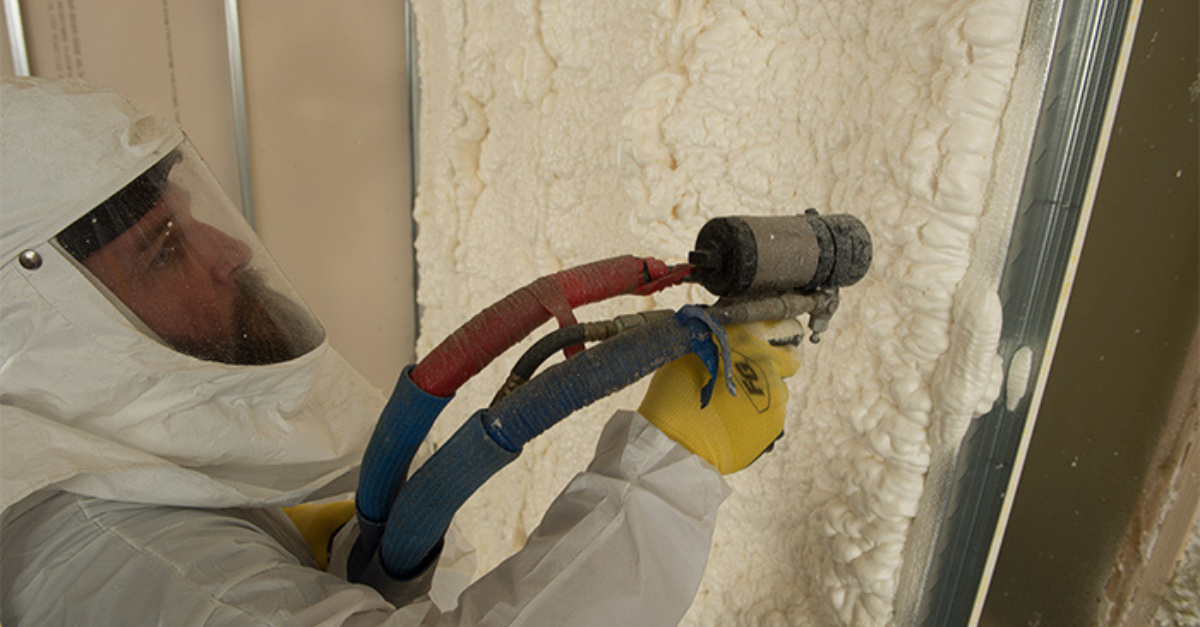
Why Insulation Performance Matters in South Georgia
Boston, GA, experiences long cooling seasons and high humidity. Poor insulation allows heat gain and moisture intrusion that raise energy costs and risk mold growth.
High-performance insulation:
- Limits heat transfer through walls and roofs
- Reduces air leaks that drive up cooling demand
- Supports moisture control in crawl spaces and attics
- Improves indoor comfort consistency
Spray Foam vs Traditional Insulation Materials
Different insulation types perform differently depending on the space and goal. Spray foam often outperforms traditional materials in air sealing and moisture resistance.

Spray foam creates a continuous barrier, while traditional insulation relies on proper fit and layering.
Residential and Commercial Insulation Services That Deliver Results
We offer insulation solutions designed to meet specific building demands. Each service supports energy efficiency, durability, and indoor comfort.
- Residential Spray Foam Insulation: Seals walls, attics, and crawl spaces to reduce energy loss and improve indoor comfort. Ideal for new construction and retrofits.
- Commercial Spray Foam Insulation: Supports large-scale buildings with durable thermal control and air sealing. Helps stabilize indoor environments and reduce operating costs.
- Open-Cell Spray Foam Insulation: Lightweight and flexible insulation for interior spaces. Provides sound control and effective air sealing.
- Closed-Cell Spray Foam Insulation: Dense insulation with high R-value and moisture resistance. Adds structural strength and suits exterior walls and crawl spaces.
- Blown-In Cellulose Insulation fills wall cavities and attic spaces evenly. Enhances thermal performance in existing buildings.
- Fiberglass Insulation: A reliable option for walls and ceilings when combined with proper air sealing. Supports cost-effective upgrades.
- Air-Sealing Services: Targets gaps, cracks, and penetrations. Reduces uncontrolled air exchange and improves HVAC efficiency.
- Crawl Space Encapsulation: Controls moisture under the building. Protects flooring systems and improves indoor air quality.
- Crawl Space Mold Remediation: Removes existing mold and addresses moisture sources. Restores healthier conditions below the structure.
- Dehumidifier Installation: Maintains balanced humidity levels. Supports insulation performance and comfort.
- Insulation Removal: Clears damaged or contaminated insulation. Prepares the space for high-performance upgrades.
- Agricultural Insulation: Improves temperature control in barns and storage buildings. Protects equipment and livestock environments.
- DC 315 Thermal Ignition Barrier Paint: Adds fire protection over spray foam. Helps meet code requirements for exposed insulation.
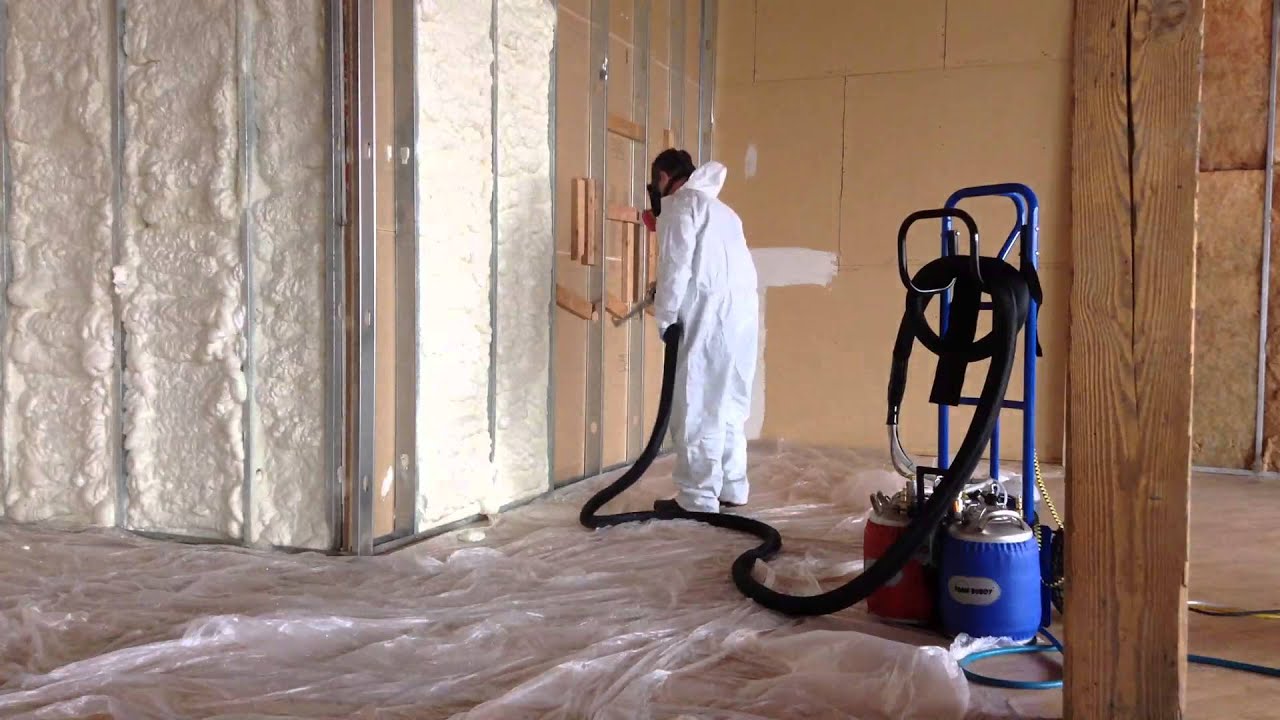
How Energy-Smart Insulation Supports Long-Term Savings
Energy-smart insulation is not just about immediate comfort. It supports predictable operating costs and building durability over time.
Reduced air leakage means HVAC systems cycle less often. Controlled moisture lowers the risk of mold and material damage. Stable indoor temperatures improve usability of every room, season after season.
For commercial properties, these benefits translate into operational efficiency. For homeowners, they mean comfort and peace of mind.
Conclusion: Build Smarter Comfort With the Right Insulation Strategy
Energy-smart insulation protects buildings from heat, humidity, and air loss. It improves comfort, supports healthier indoor spaces, and lowers energy demand. The right system depends on building type, usage, and climate, not a one-size approach.
When insulation works as intended, every other system in the building performs better. That is the foundation of long-term efficiency.
Upgrade Your Building’s Performance Today
Effective insulation directly impacts energy efficiency, moisture control, and indoor comfort. We support performance-driven residential and commercial projects with tailored solutions and precise installation. Premier Insulation delivers reliable results for properties across Boston, GA.
Call us today at (229) 554-3939 to discuss your insulation goals.
FAQs
How does insulation improve energy efficiency in commercial buildings? Insulation limits heat gain and air leakage, which stabilizes indoor temperatures. This reduces HVAC runtime and supports predictable energy usage.
Where does spray foam deliver the most value in a home? Spray foam performs best in attics, crawl spaces, and wall cavities where air leakage is common. These areas drive most energy loss.
Is crawl space encapsulation necessary in humid climates? Encapsulation controls ground moisture and humidity. It protects flooring systems and improves overall building health in humid regions.
Can insulation upgrades be done without major renovations? Many upgrades fit into existing cavities or crawl spaces. Targeted removal and installation limit disruption while improving performance.
How does air sealing differ from insulation alone? Air sealing blocks uncontrolled airflow. Insulation slows heat transfer. Together, they deliver consistent comfort and efficiency.
Reviewer: Jack Parker, a spray foam professional with 7 years of experience, reviewed this post and helped improve sections dealing with brand clarity and customer communication.