


Experts recommend closed-cell insulation because it provides the highest R-value per inch available today. This material creates a dense, rigid barrier that prevents air leakage and resists water absorption effectively. It is the preferred choice for areas prone to high moisture or structural stress.
This article explains the technical advantages and practical applications of this advanced sealing method. Readers will learn how it compares to other options and why professionals choose it for modern construction. This information comes from decades of hands-on experience in the home performance field.
Property owners often find that choosing Spray Foam Insulation provides a more comprehensive seal compared to traditional fiberglass batts. This material fills every crack and gap to stop drafts at their source. Using this method results in more consistent indoor temperatures year-round.
Technical Superiority of Closed Cell Products
Closed-cell insulation stands out due to its compact cell structure and high density. Experts prefer it for its ability to block both air and moisture in a single application. This dual function makes it a superior option for challenging building environments.

Thermal Resistance and R Values
The R-value measures how well a material resists heat flow between different environments. Closed-cell products typically offer an R-value between 6.5 and 7.0 per inch of thickness. This efficiency allows builders to achieve high insulation goals even in narrow wall cavities.
Moisture Control and Vapor Barriers
This material acts as a built-in vapor retarder that prevents condensation inside walls. Its water-resistant nature makes it ideal for basements, crawlspaces, and humid coastal regions. By stopping moisture, it helps protect the building from rot and other water-related issues.
Impact on Indoor Air Quality
Using a dense seal prevents outdoor pollutants and allergens from entering the living space. This creates a cleaner environment for families and employees in commercial buildings. A tighter seal also reduces the workload on HVAC systems significantly over time.
Strengthening the Building Structure
Closed-cell insulation becomes very hard once it cures, adding physical strength to the property. Experts note that it can increase the racking strength of walls by up to 300 percent. This extra rigidity is helpful for buildings in areas with high winds or seismic activity.
- The material bonds directly to the studs and sheathing of the house.
- It creates a glue-like bond that holds structural components together firmly.
- Buildings with this insulation often show less shifting and settling over the years.
- This added strength helps the structure meet or exceed modern building codes.
Comparison of Insulation Types
The following table highlights the differences between common insulation choices used in modern construction. These metrics help property owners understand the performance gaps between materials. It shows why high-density options are favored for efficiency.

Things to Consider Before Making a Decision
Choosing the right insulation requires looking at the specific needs of the building. Homeowners should evaluate their local climate and the age of the structure first. Some projects might require a mix of different materials to achieve the best results.
- Determine if the goal is strictly thermal or if moisture control is needed.
- Assess the available space in the walls or attic for the insulation layer.
- Verify the local building codes regarding fire ratings and vapor barriers.
- Calculate the long-term energy savings against the initial installation cost.
Installation Professionalism
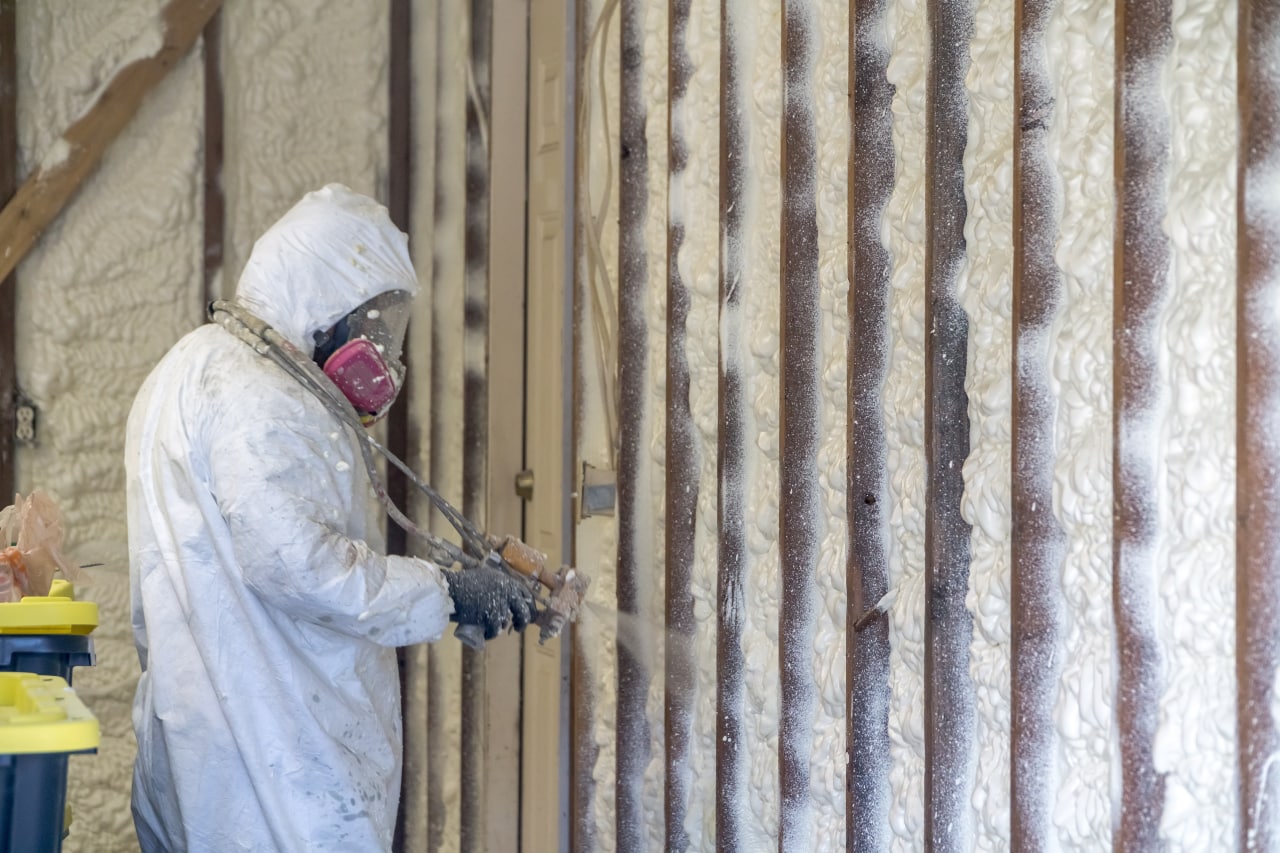
Proper application requires specialized equipment and training to ensure the correct material mix. Experts manage the pressure and temperature settings to achieve the best density and adhesion. Hiring a qualified team prevents common issues like shrinking or poor coverage.
Bonus Tips for Efficiency
Seal the attic floor before adding any extra layers of insulation to stop the chimney effect. This prevents warm air from escaping through small holes around light fixtures or plumbing pipes.
Focus on the rim joists in the basement as these are major sources of energy loss. Closed-cell material is perfect for these areas because it stops air and moisture simultaneously.
Additional Maintenance Information
Once installed correctly, this material does not sag or settle like loose-fill options. It remains in place for the life of the building without needing regular top-offs or adjustments.
Summarizing the Benefits of Professional Selection
Selecting closed-cell insulation is a smart move for those seeking durability and high performance. It provides an unmatched air seal while strengthening the building and resisting moisture. While the material is advanced, its benefits for energy efficiency are clear for any property owner.
Experts suggest evaluating the specific layout of the building to see where this product fits best. Every structure has different needs based on its location and intended use. Consult with a professional to determine the most effective plan for long-term comfort.
Professional Insulation Support
Property owners looking for high-quality results can reach out to Prestige Insulation Solutions for assistance. They provide expert guidance on choosing the right materials for both homes and businesses. For more information or to request an estimate, contact them at (850) 429-4969 or email [email protected]. Their team focuses on delivering consistent results that improve energy efficiency and structural integrity for every client.
Questions About High Density Insulation
Does closed-cell insulation cost more than other types?
The initial cost is higher than fiberglass or open-cell options due to the material density. However, the long-term savings on energy bills often make up for the price difference. It also reduces the need for separate vapor barriers or structural reinforcements.
Can it be used in existing homes?
It is most effective during new construction or major renovations when wall cavities are open. For existing homes, it can be applied in attics, crawlspaces, or basements to improve the thermal envelope. Some specialized techniques allow for application in closed walls if necessary.
How long does the installation process take?
Most residential projects are completed within one to two days depending on the size. The material cures quickly, allowing other contractors to continue their work shortly after application. Professionals ensure the area is properly ventilated during and after the process.
Is it safe for the environment?
Modern formulations have low global warming potential and do not contain harmful gases once cured. By reducing energy consumption, it helps lower the overall carbon footprint of a building. It contributes to a more sustainable and durable housing stock.
Will it stop noise from outside?
While it provides some sound dampening, its main function is thermal and structural performance. Open-cell options are generally better for soundproofing because they are softer and more flexible. Many builders use a combination of materials to address both heat and noise.
Author: Rene Zamarripa is a spray foam installer and owner with 17 years of hands-on experience in the insulation industry, specializing in R-values and various residential and commercial applications.
Reviewer: Benjamin Lee is a spray foam professional with over 13 years of experience, dedicated to helping property owners connect with effective insulation solutions.