


Starting property restoration without clear knowledge often leads to higher costs, longer timelines, and hidden risks. Residential owners who understand the basics make better decisions, avoid surprises, and protect their property long term.
Quick answers that matter most:
- Restoration is about preventing future damage, not just fixing visible issues.
- Timing, documentation, and professional standards directly affect cost and results.
- The right restoration partner reduces risk, stress, and the likelihood of repeat damage.
Understand What Property Restoration Really Involves
Property restoration goes beyond surface repairs. It is a structured process designed to return a home to a safe, functional, and stable condition after damage.
Many owners assume restoration is the same as remodeling. It is not. Restoration focuses first on damage control, safety, and prevention. Cosmetic repairs come later.
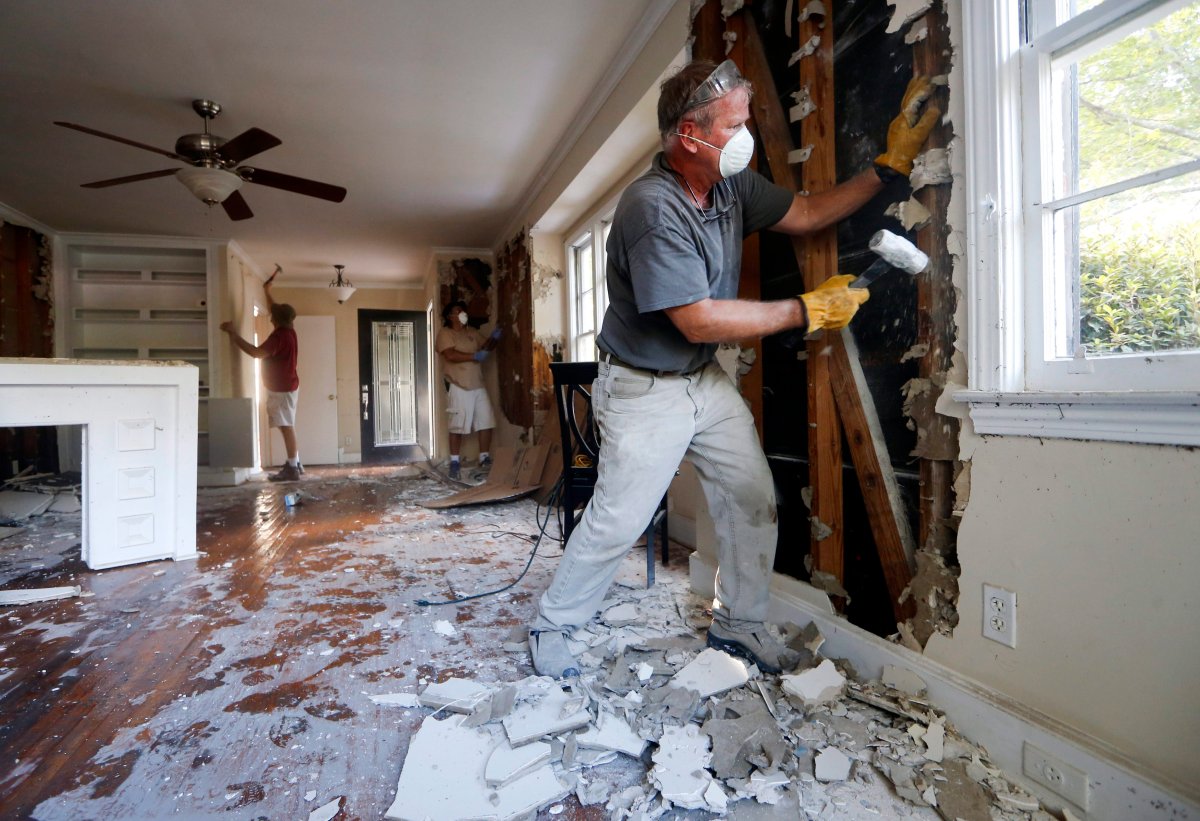
Restoration Vs. Repair Vs. Remodeling
- Restoration: Stabilizes the home, removes hazards, and prevents secondary damage.
- Repair: Fixes specific broken materials but may ignore hidden issues.
- Remodeling: Improves appearance or layout and is not damage-driven.
Skipping proper restoration steps often leads to mold, structural issues, or insurance disputes later.
Know The Type And Extent Of Damage Before Work Begins
Every restoration project should start with a clear damage assessment. This step defines scope, cost, and timeline.
Hidden damage is common. Water travels behind walls. Smoke settles into the insulation. Structural stress may not be visible.
Why Professional Assessments Matter
According to guidance from the Federal Emergency Management Agency’s residential flood repair documentation, unseen moisture and structural damage often cause the most expensive long-term problems if not identified early.
A proper assessment includes:
- Moisture detection using meters and thermal tools
- Material testing when contamination is possible
- Structural checks for framing and subfloors
Skipping this step often results in repeat repairs.
Timing Directly Impacts Cost And Outcome
Time is one of the biggest factors in restoration success. Delays allow damage to spread and materials to break down.
Water damage, smoke residue, and microbial growth all worsen with time. What could be dried or cleaned early may need to be removed later.
How Fast Action Reduces Risk
The U.S. Environmental Protection Agency’s mold and moisture guidance explains that mold can begin forming within 24 to 48 hours when moisture is not controlled. Once mold develops, projects become more complex and expensive.
Quick action helps:
- Limit demolition
- Reduce health risks
- Shorten overall project timelines
Early mitigation protects both the structure and indoor air quality.
Restoration Standards And Certifications Matter
Not all restoration work follows the same rules. Industry standards exist to ensure safe and effective outcomes.
Residential owners should look for companies that follow recognized restoration protocols. These standards guide drying methods, contamination control, and documentation.
Why Industry Standards Protect Homeowners
The IICRC S500 water damage restoration standard outlines proper procedures for drying structures, preventing secondary damage, and verifying results. These standards are widely used by insurers and professionals.
Following standards ensures:
- Materials are dried to safe levels
- Cross-contamination is controlled
- Work is defensible for insurance claims
Untrained work increases liability and future repair costs.
Insurance, Documentation, And Planning Are Critical
Restoration projects often involve insurance. Proper documentation protects homeowners financially and legally.
Many claims are delayed or denied due to missing records or improper scope definitions.
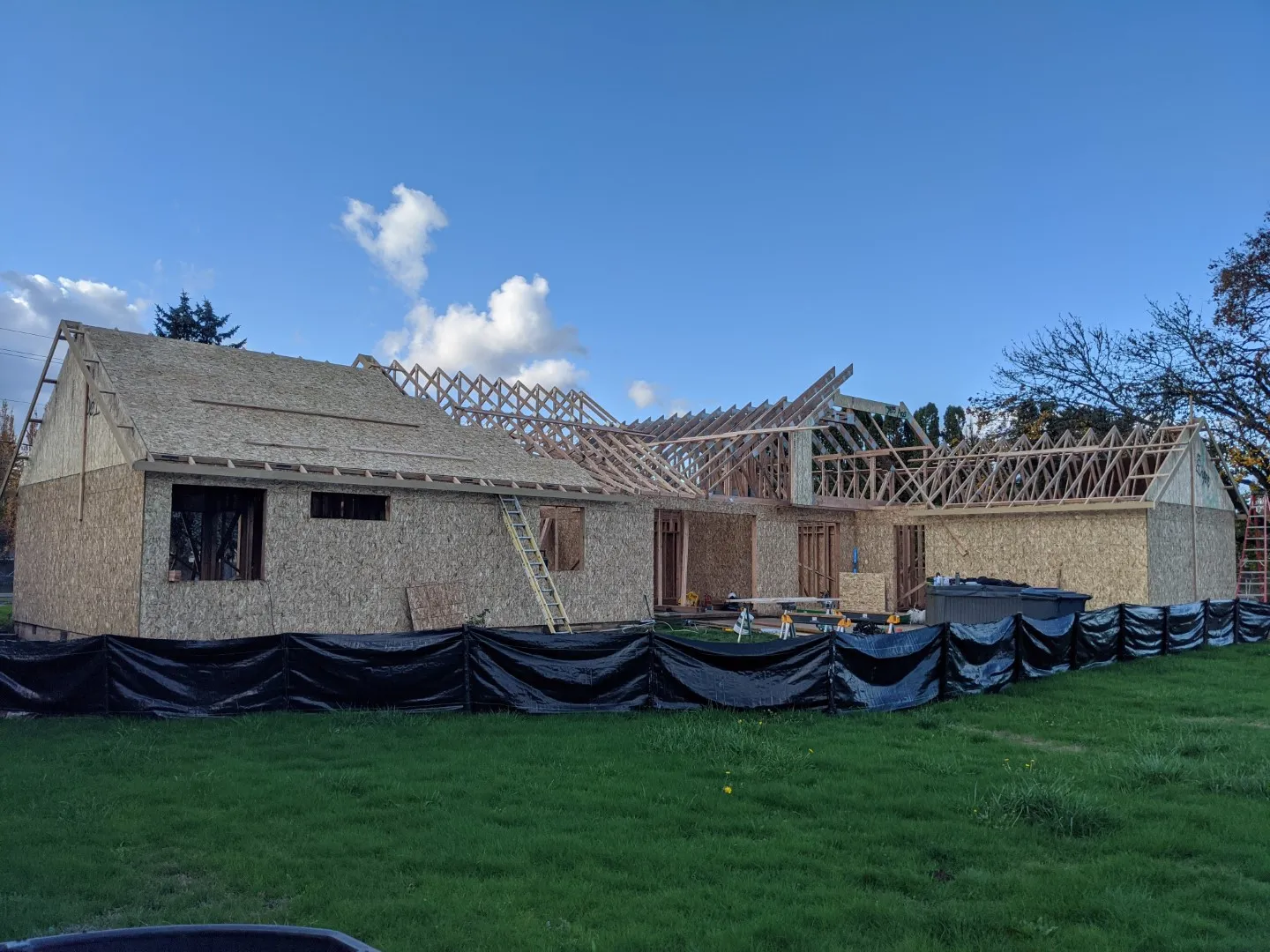
What Residential Owners Should Document
- Photos and videos before work begins
- Written damage assessments
- Daily progress notes when ”
- Receipts and invoices
Clear records support smoother claims and fewer disputes.
Common Restoration Scenarios Homeowners Face
Restoration needs vary by damage type. Understanding common scenarios helps owners prepare.
Water Damage From Plumbing Or Storms
Water spreads fast and weakens materials. Drying and dehumidification must start early to prevent mold and rot.
Fire And Smoke Damage
Smoke residue penetrates walls, ceilings, and HVAC systems. Cleaning must address both visible soot and airborne contaminants.
Mold And Moisture Problems
Mold often signals an underlying moisture issue. Removal without fixing the cause leads to recurrence.
Material Considerations Before Restoration Starts
Different materials respond differently to damage. Knowing what can be saved helps manage expectations.
Salvageable Vs. Replaceable Materials
| Material | Often Salvageable | Often Replaced |
|---|---|---|
| Solid wood framing | Yes, if dried quickly | If rotted |
| Drywall | Rarely | Frequently |
| Tile and concrete | Often | Rarely |
| Insulation | Sometimes | Often |
Material decisions affect cost, timeline, and indoor air quality.
Cost Factors Residential Owners Should Expect
Restoration costs depend on damage type, size, and response time. Early action usually lowers total expense.
Main Cost Drivers
- Extent of hidden damage
- Required demolition
- Drying duration and equipment
- Specialized cleaning or containment
Professional assessments help prevent surprise expenses mid-project.
How To Choose The Right Restoration Partner
Not all providers offer the same level of service. Residential owners should evaluate experience, transparency, and response capability.
What To Look For In A Restoration Company
- Clear communication and written scopes
- Industry training and certifications
- 24/7 emergency response capability
- Experience with insurance coordination
A reliable partner reduces stress and protects the home long term.
Experience-Based Insight For Better Outcomes
Homes that receive early mitigation and proper documentation consistently experience fewer delays and lower final costs. Projects that skip assessment or rush repairs often reopen months later with new problems.
Real-World Results From Residential Restoration
A home with a delayed water response required full wall removal and mold remediation. A similar home with same-day mitigation, dried walls in place, and avoided mold entirely. Timing changed the outcome.
Starting Property Restoration The Right Way
Property restoration works best when homeowners understand the process before work begins. Knowing the damage, acting quickly, following standards, and choosing the right professionals prevent repeat problems.
Professional restoration is an investment in safety, durability, and peace of mind. Clear planning protects both property value and occupant health.
Contact Prestige NW Restoration For Trusted Guidance
Prestige NW Restoration supports residential owners through every stage of property restoration. Their team focuses on fast response, proper standards, and long-term results.
For professional help, contact Prestige NW Restoration at email [email protected] to start with confidence.
Frequently Asked Questions About Property Restoration
What is the first step in property restoration?
The first step is a professional damage assessment to identify visible and hidden issues. This defines the scope and prevents damage.
How long does a typical restoration project take?
Timelines vary by damage type and size. Small water losses may take days, while major losses can take weeks.
Can homeowners stay in the home during restoration?
Sometimes. It depends on safety, air quality, and access to essential areas.
Does insurance always cover restoration?
Coverage depends on the cause of damage and policy terms. Sudden and accidental damage is more likely to be covered.
Is restoration different from general contracting?
Yes. Restoration focuses on damage control, safety, and prevention before cosmetic repairs.
How soon should professionals be called after damage?
As soon as possible. Early response limits the spread and reduces the total cost.
Reviewer: Matthew Moore brings over 15 years of experience in residential renovation marketing. The review provided helped shape this content to better connect with homeowners seeking reliable, high-quality restoration and home improvement services.
Author: Established on April 2, 2012, Prestige NW is led by owner Kelly Kerns, who brings extensive experience in restoration, construction, and customer service. Kelly supports both field operations and marketing, writing clear, practical content for homeowners while overseeing marketing strategy, partner communication, and brand direction. She combines industry expertise with focused messaging and reliable service.