


Heat loss in homes often happens through tiny gaps that are invisible to the naked eye. Blown-in materials solve this problem by flowing into these small cracks and creating a thick blanket of protection. This method ensures that even the most difficult corners of a wall cavity stay full and warm.
Many homeowners choose blown-In Insulation because it effectively reaches corners that are impossible to seal with traditional fiberglass rolls. By using a specialized machine, professional teams can pump loose material into walls without tearing down the drywall. This results in a home that stays at a steady temperature throughout the day.
The team at Lamothe Insulation uses their deep knowledge to fix these drafty areas. Robert Lamothe has spent over twenty years learning how air moves through different types of houses. They focus on filling every void to stop the cold air from entering the living space.
The Way Small Gaps Cause Big Energy Problems
Tiny crevices in the walls act like small straws that pull cold air into a warm house. Even a gap as thin as a coin can let out a large amount of heat over time. These leaks are common around electrical outlets, window frames, and where the wall meets the floor.
When these gaps are left open, the heater must run constantly to keep up with the loss. National studies indicate that filling small crevices can save a homeowner up to fifteen percent on yearly energy bills. This makes the sealing process one of the smartest ways to update an older property.
They often find that houses with original walls have many empty spaces that were never properly filled. Over time, old materials can settle and leave the top parts of the wall completely bare. Using a blown-in method fixes these empty spots and restores the home's comfort level.
Filling the Voids in Older Wall Structures
Older homes in areas like Springfield or Worcester often have irregular framing that makes standard batts hard to use. These houses have unique shapes and narrow spaces that were built long before modern energy rules. Blown-in material is flexible enough to fit into any shape or size.
- The loose fibers can wrap around old wiring and plumbing pipes without leaving any hollow spots.
- The material is pushed in under pressure to ensure it packs tightly against the wooden studs.
- This method creates a solid barrier that keeps the wind from blowing through the siding and into the rooms.
- Homeowners often notice that their rooms become much quieter because the dense material blocks outside noise.
Dense Packing versus Loose Fill Methods
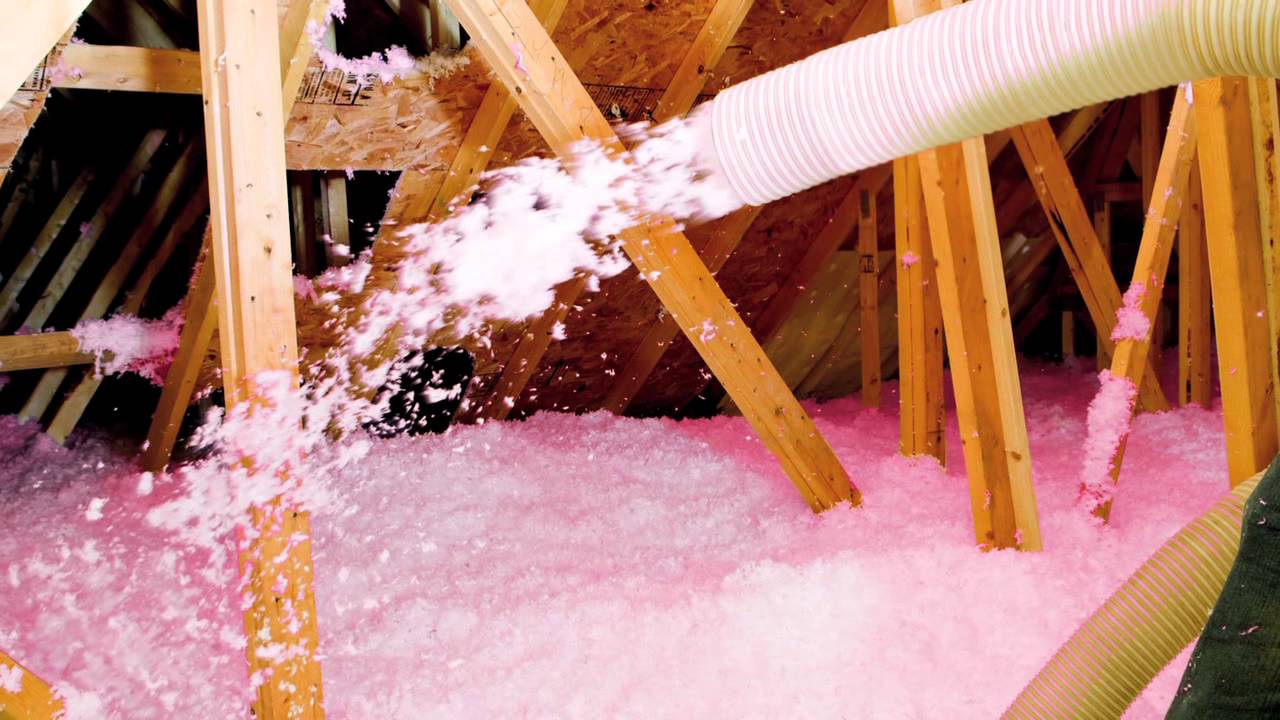
There are two main ways to use these materials depending on where they are being placed. Dense packing is used for closed walls to make sure the material does not sink over time. Loose fill is common for attic floors where gravity helps keep the material in its place.
Understanding Dense Pack Pressure
To fill a wall correctly, the team must use enough pressure to pack the fibers together. This prevents the material from settling and leaving a gap at the top of the wall years later. They carefully monitor the airflow to make sure every inch of the wall is packed solid.
Using Loose Fill for Attic Protection
In an attic, the material is spread out like a thick carpet over the floorboards. This stops the heat from the lower floors from rising up and escaping through the roof. It is a fast and clean way to add more protection to an existing house.
Bonus Tips for Attic Floors
They suggest checking the height of the material every few years to make sure it is still thick enough. If the wood beams are showing, it is usually time to add another layer to keep the home efficient.
Protecting Lights and Vents
Special covers should be used over recessed lights before the material is added. This prevents the heat from the light bulbs from touching the fibers and ensures the home stays safe.
Comparing Material Performance in Tight Spaces
Choosing the right type of material depends on the goals of the project. Some materials block fire better while others are lighter and easier to install in large attics. The table below shows how different loose fill options compare in a typical home.
| Material Type | R-Value per Inch | Air Flow Control | Fire Safety |
|---|---|---|---|
| Cellulose | 3.5 to 3.8 | Excellent | Treated for High Safety |
| Fiberglass | 2.2 to 2.7 | Fair | Naturally Non Flammable |
| Mineral Wool | 3.0 to 3.3 | Good | Very High Heat Resistance |
Regional Benefits for Cold New England Winters
New England winters are known for being long and very cold. Homes in this region face high winds and heavy snow that can put a lot of stress on the building. A well-filled wall keeps the cold out and prevents the wood from getting too damp.
They understand that the local climate requires a material that can handle humidity and freezing temperatures. The study of how heat moves shows that keeping the walls warm also protects the pipes inside from freezing. This can prevent expensive water damage during a sudden cold snap.
Managing Moisture in Small Cavities
Moisture can sometimes get trapped inside walls if they are not sealed correctly. Modern blown-in fibers are often treated to resist mold and mildew. This keeps the air inside the home healthy and prevents the wooden frame from rotting over time.
Improving Indoor Air Quality
Filling wall crevices also stops dust and pollen from blowing into the house. This is a great benefit for people who suffer from allergies in the spring and fall. A tighter home means the air filters in the furnace will stay clean for a longer period.
Bonus Tips for Wall Drill Holes
When they fill a wall from the outside, they must drill small holes to get the hose inside. They recommend using high quality plugs and matching the paint exactly so the holes are completely hidden once the job is done.

Things to Consider Before Making a Decision
Before starting a project, it is important to check the current state of the walls. If there is old water damage, it should be repaired before adding new material. Homeowners should also consider the age of their wiring to ensure everything is safe.
- Look for any signs of pests like mice that might have made tunnels in old walls.
- Consider the wall's total depth to determine how much material is needed.
- Ask about the recycled content of the fibers if you want an eco-friendly option.
- Think about the time of year as it is often easier to do this work in the spring or fall.
Questions People Ask About Home Sealing
How do you know if the wall is completely full?
The installers monitor the hose pressure and listen for changes in the machine's sound. When the wall is full, the material stops flowing easily. They also use infrared cameras to measure heat levels and identify cold spots.
Can this material be used in a basement?
Yes, it can be used to fill the gaps at the top of a basement wall where the wood meets the foundation. This is a common spot for air leaks and is easy to fix with a blown-in method. It makes the floors above much warmer.
Does the material settle over time?
If it is installed correctly using the dense pack method, it will not settle. The pressure keeps the fibers locked together so they stay at the top of the wall. This is why using a professional team with the right equipment is so important.
Is the installation messy for the family?
The process is very clean because the material is contained within the hose and the machine. For wall jobs, the work is often done from the outside of the house. This means there is very little dust or debris left inside the living areas.
How much money can I save on my bills?
Most homeowners see a drop in their utility costs of ten to twenty percent. The exact amount depends on how many gaps were in the walls before the project. Over several years, the savings can pay for the entire cost of the work.
Final Thoughts on Wall Cavity Protection
Sealing the tiny crevices in a home is one of the most effective ways to stop heat loss. It changes how a house feels by removing drafts and keeping every room at the same temperature. By working with a professional insulation contractor and choosing a material that flows into every gap, homeowners can ensure their property is protected, comfortable, and energy-efficient for years to come.
They suggest that everyone with an older home should have their walls checked for empty spaces. Filling these voids is a fast way to improve comfort and save money. Taking this step will make any house a better place to live during the cold winter months.
Get Expert Advice for Your Home Project
If you want to stop heat loss in your home, professional help is the best way to get results. Lamothe Insulation provides expert services to help you fill those tricky wall crevices. Their team uses the best materials and tools to ensure your house stays warm and quiet. You can reach out to them to learn more about how they can help with your specific needs. For more information or to schedule a visit, contact them at (508) 847-0119 or email [email protected]. They are ready to help you improve your home today.
Author: With over two decades of hands-on experience, Robert Lamothe, owner and lead installer of Lamothe Insulation, brings expertise in insulation, carpentry, and the study of buildings. Since 2002, he has earned a reputation for quality craftsmanship and delivering energy-efficient solutions.
Reviewer: Ethan Taylor has 8 years of experience in the insulation field. He reviewed this content and suggested ways to simplify business outreach while maintaining trust and professionalism.