

NMC Battery vs LiFePO4 Battery: Unveiling the Lithium Dilemma

Introduction:
The quest for superior energy storage solutions has led to a fervent debate surrounding NMC (Ternary) batteries and LiFePO4 batteries. This article aims to delve into the nuances of these lithium technologies, deciphering their safety, charging processes, storage requirements, and applications. The primary focus will be on the "NMC Battery vs LiFePO4 Battery," strategically embedded in the title, introduction, and conclusion for optimal SEO impact.
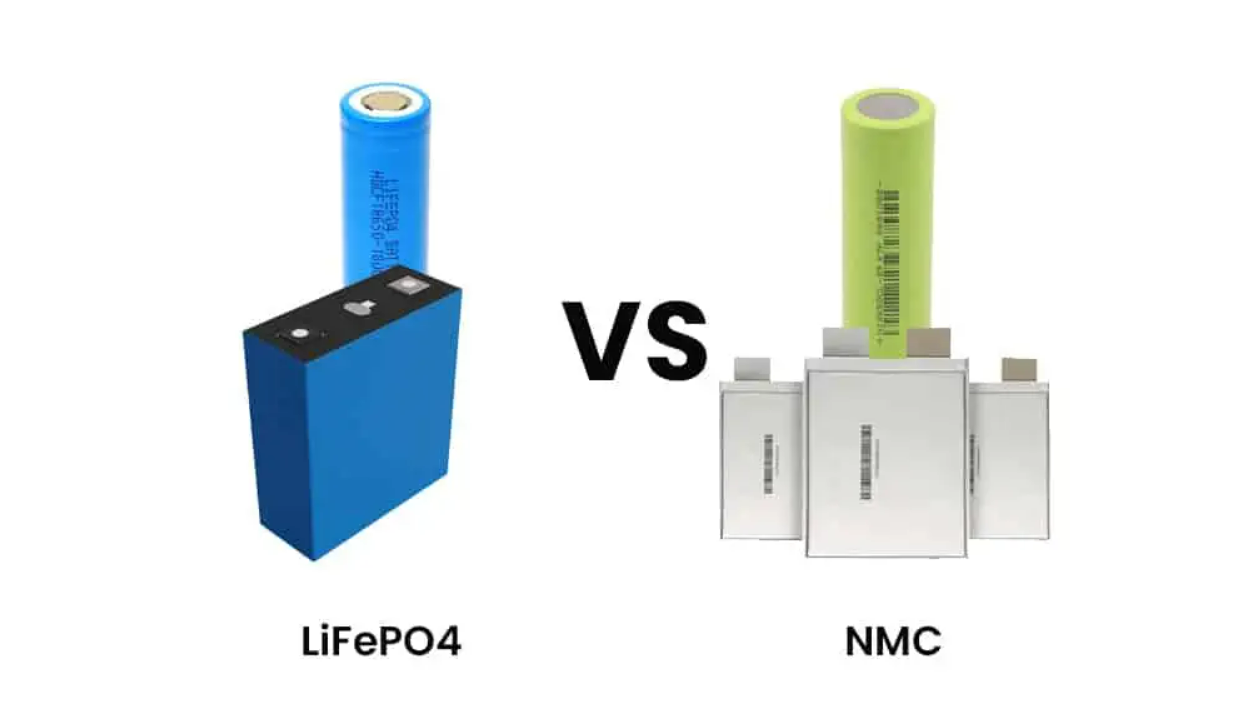
Is Ternary Lithium Battery Safe?
Ternary lithium batteries, known as NMC batteries, have evolved in terms of safety. Tesla, a prominent advocate, incorporates these batteries in their high-grade vehicles. Safety measures include the necessity for protection plates, effectively controlling factors like overcharge, overdischarge, short circuits, overheating, and overcurrent. While guidelines ensure safe charging, proper storage remains essential.
Understanding Ternary Lithium (NMC) Battery:
Ternary lithium batteries use nickel, cobalt, and manganese in their cathodes, creating compounds with varying ratios. Higher nickel content enhances volumetric energy density, but it also introduces challenges such as reduced capacity and cycling. Safety concerns arise from the vulnerability of NMC batteries to overheating or catching fire, especially in high-powered applications like electric vehicles.
Charging Ternary Lithium Battery:
Charging NMC batteries demands meticulous adherence to guidelines. Choosing the right charger, checking battery specifications, and setting appropriate charging parameters are crucial steps. Monitoring the charging process, charging to full capacity, and disconnecting the charger promptly are integral practices to ensure safe and efficient charging.
Storing Ternary (NMC) Lithium Battery:
Proper storage of NMC batteries is paramount for maintaining performance and safety. Charging the battery to a moderate capacity before storage, controlling temperature and humidity, avoiding direct sunlight, using non-conductive enclosures, ensuring ventilation, and regular check-ups are essential steps. Following these guidelines ensures the batteries are ready for use when needed.
What's Lithium Iron Phosphate (LiFePO4) Battery?
LiFePO4 batteries utilize lithium iron phosphate as their cathode material, offering stability and safety advantages over ternary lithium batteries. The chemical stability of lithium iron phosphate prevents violent combustion even in cases of deformation or damage. LiFePO4 batteries boast a higher thermal runaway temperature, making them less prone to overheating and catching fire.
Safety Advantages of LiFePO4 Batteries:
LiFePO4 batteries present notable safety advantages. Their resistance to overheating and reduced risk of catching fire make them a safer choice for various applications. The higher thermal runaway temperature, durability due to steel encapsulation, and longer lifespan contribute to the reliability and longevity of LiFePO4 batteries.
Applications for LiFePO4 Batteries:
The safety and durability of LiFePO4 batteries make them increasingly popular in high-demand applications. Electric vehicles, cordless tools, and medical devices benefit from LiFePO4 batteries' reliability and reduced risk of overheating or damage, making them a preferred choice in critical applications.
NMC Battery vs LiFePO4 Battery: A Comparative Analysis
I: Material Used and Voltage Platform:
LiFePO4 batteries operate on a 3.2V voltage platform, offering a cycle life of more than 2000 charges. In contrast, NMC batteries utilize a 3.7V voltage platform with a cycle life dependent on various factors, generally ranging from 500-800 charges.
II: High Temperature Performance:
LiFePO4 batteries demonstrate better high-temperature performance compared to NMC batteries, enhancing their suitability for diverse environments.
III: Safety:
In terms of safety, LiFePO4 batteries exhibit a lower risk of overheating and catching fire, establishing them as a safer alternative to NMC batteries.
Conclusion:
In the ongoing discourse of NMC Battery vs LiFePO4 Battery, the safety and reliability of LiFePO4 batteries stand out. While NMC batteries have made strides in safety, LiFePO4 batteries offer a more secure and durable option. The choice between the two depends on specific application requirements and the criticality of safety concerns. As the demand for secure and dependable energy storage solutions continues to rise, LiFePO4 batteries are poised to play a pivotal role across various industries.
Comments